How we are protecting the Amazon for Future Generations
The urgency of stabilizing concentrations of carbon dioxide and other greenhouse gases (GHGs) has promoted the development of payment systems related to carbon storage. In this context, REDD projects emerge that seek to reduce CO2 emissions that are produced by the deforestation of primary and secondary forests.
The logic of REDD projects is to demonstrate THE REDUCTION of CO2 emissions in case there is no project. Deforestation of tropical forests accounts for approximately 20% of the total carbon dioxide emissions generated by human actions.
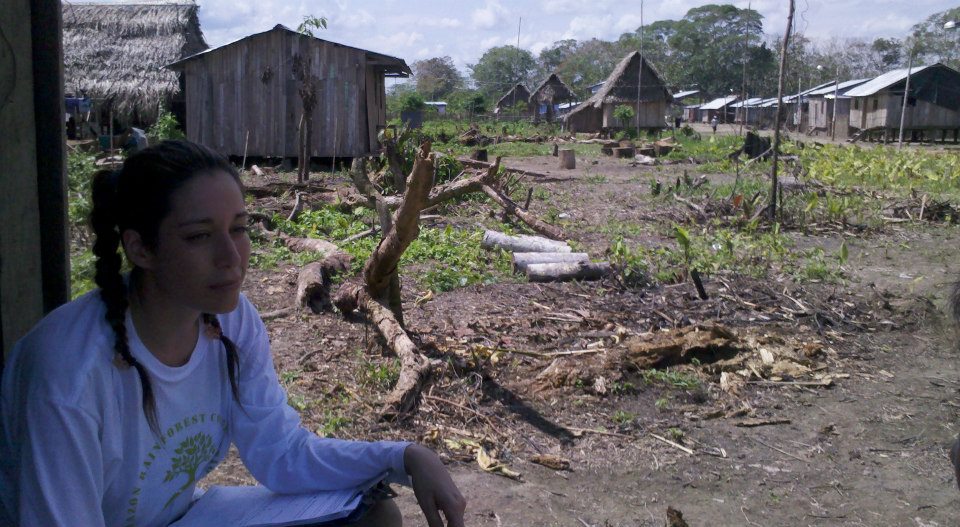
Although no community lives within the conservation area, it is important to recognize their interaction. Because they are among the poorest in the world, their needs force them to interact in an unsustainable way. Today, because anthropic activities such as selective logging of timber species and the manufacture of charcoal generate quantifiable CO2 emissions, and contribute to forest degradation, alternative resource management activities need to be offered to the communities based in the “The Island” Conservation buffer.
We seek to use funds from carbon sales to help integrate all people, especially vulnerable sectors, regardless of their origin, activity, socio-economic status. The idea is that everyone can access the same opportunities and meet their basic needs.We have since started our work with communities in the areas of health, environmental education, and land rights from the beginning, we have made libraries in 16 communities surrounding the project area, with relevant conservation material. We have helped docotrs get to communities for vaccination and consultations. We have signed agreements with native communities surrounding the area that support and work us. We continue to work with, and have donated solar panels, and made workshops to help government build capacity and certify community members as forest custodians, as well as organized artesanal fishing groups for within the conservation area.
We want to impulse sustainable economic development, but funding is needed to be able to do more. This strategic partnership with the private sector, government, and communities, we hope will help make agreements to relieve pressure through IMF Projects, whose objective is to protect and preserve areas from deforestation and to mitigate the presence of CO2 in the Atmosphere. But different from REDD+ that avoids deforestation, in IMF PROJECTS, the CO2 caught by plantations is little compared to CO2 emissions caused by deforestation; therefore, it is necessary to prevent mature natural forests from being cut down or burned, emitting CO2 into the atmosphere so promoting reforestation and recuperation of deforested areas , they can access funds to promote their sustainable social elevation process.
The role of custodians in the ecosystems on which they depend, makes them the perfect allies to achieve our shared goals, but this only works when tangible benefits are perceived for such participation.
COMMUNITY FOREST CUSTODIANS
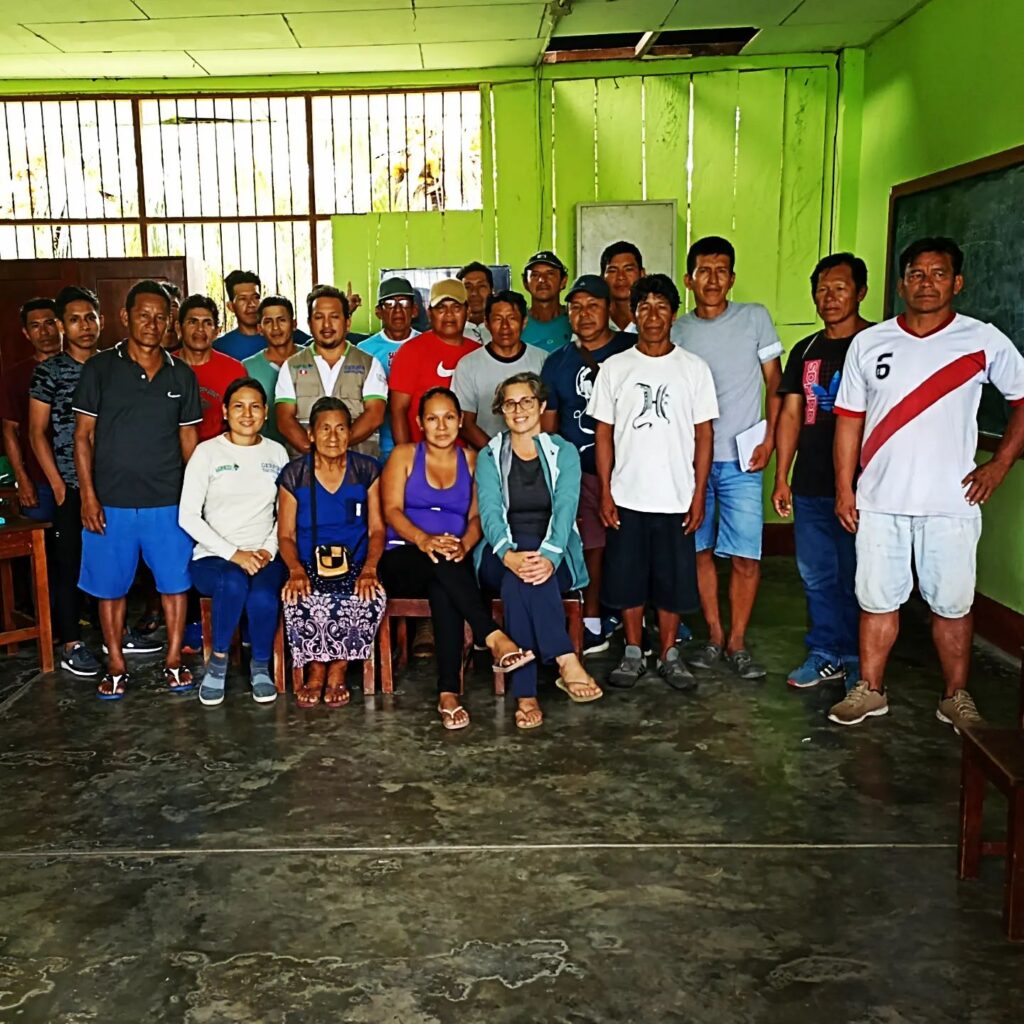
The work of organization, training and monitoring of the procedure to accredit custodians of forest heritage and wildlife.
PURPOSE Contribute to the sustainable use of forest and wildlife resources in the areas granted through an enabling title and in the native and peasant communities of Loreto, integrating monitoring, control, and surveillance as a participatory management mechanism for the prevention, reduction of pressures, threats, and effects on these areas.
SCOPE When the directive is promulgated, it will be mandatory for the Regional Management of Forest Development and Wild Fauna of the Regional Government of Loreto. It will be applied to natural personnel with the claim of being accredited as custodians of the forest and wildlife heritage, whose scope of action will be the areas granted through an enabling title and the territories of native and peasant communities.
Holders of enabling titles are accredited as custodians of forest and wildlife heritage upon signing the corresponding contract, they can also assign other natural persons who may exercise the powers of custodians within the area granted prior accreditation of the forest development management and of wild fauna. In the case of custodians of forest and wildlife heritage within native and peasant communities, prior to their accreditation, they can form a community forest surveillance and control committee.
With this strategic alliance with the communities, we hope to in 2026 coordinate efforts with stakeholders for REFORESTATION or projects within the community area, give them access to internet and tools to help monitor and will help alleviate the pressure by helping them through their process of sustainable social upliftment. They need to take on the role of custodians in the ecosystems they depend on, making them the perfect allies to accomplish our shared objectives.
This will work when they have tangible benefits for such participation. So, in addition to stabilizing the rate of climate change through our project, by avoiding deforestation and forest degradation we are promoting biodiversity conservation.

Protecting the Amazon Rainforest with Local Specialists and Community Partnerships
Meet the dedicated experts driving our mission to conserve the Amazon.
Amazon Rainforest Conservation Team
Project Manager
Financial manager
Community
Logistics
Legal advisor
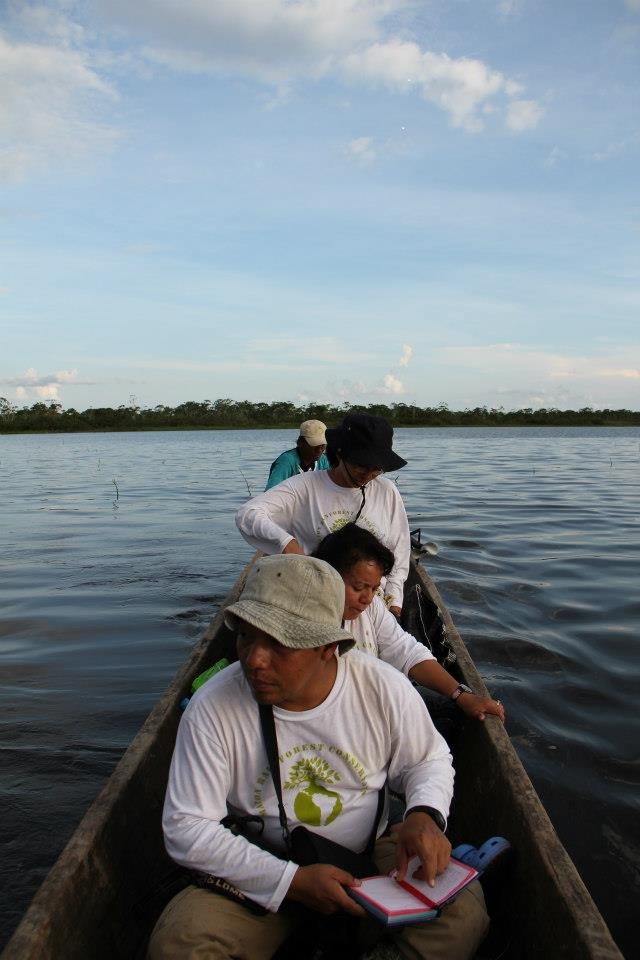
Scientists and Specialists
Biologists
Forestry Specialist Marine Biologist
Water research
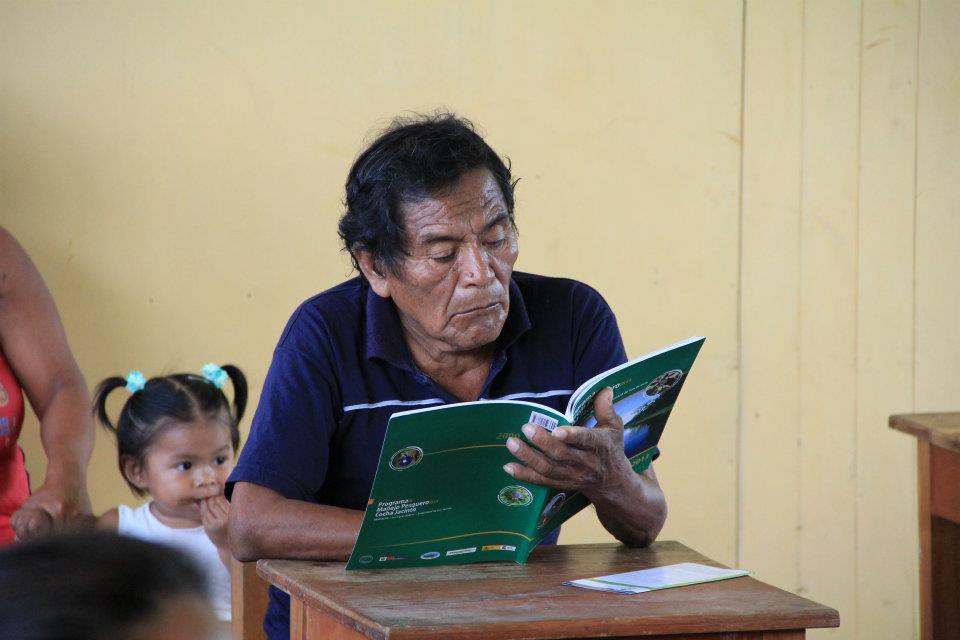
Community
Inspiring Conservation Achievements from Our Partners
Discover how we work with local communities and stakeholders to protect the Amazon through collaborative and sustainable initiatives.
How Conservation Efforts Safeguard Biodiversity
Case study reveals how collaborative conservation projects contribute to preserving ecosystems and supporting local livelihoods.
Empowering Communities for Sustainable Forest Management
Case study demonstrates how our initiatives promote resource sustainability, biodiversity protection, and community engagement.